8 Things About Your Crisper Drawer That Nobody Explains
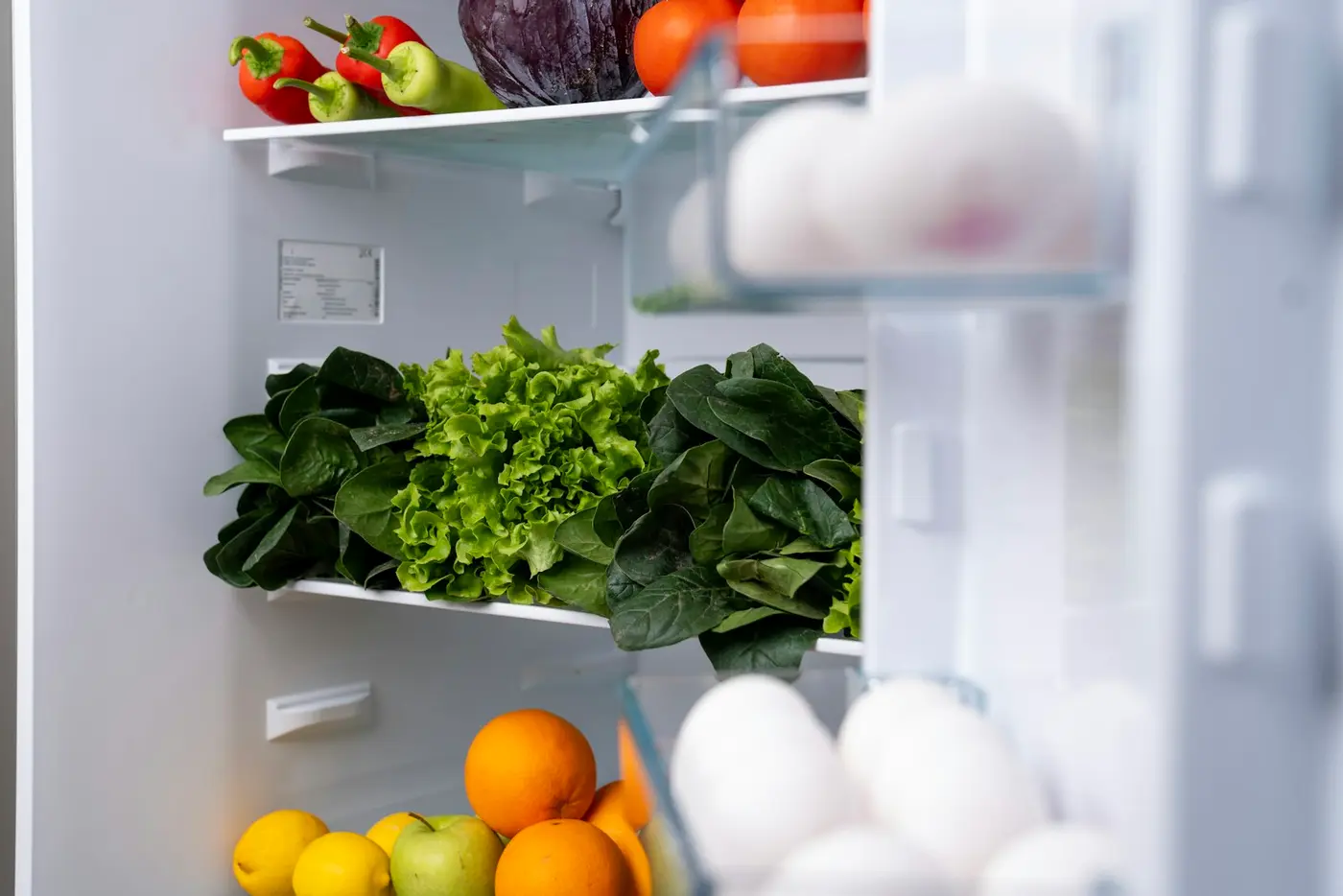
It came with the fridge, it sits at the bottom, and most of us have never once touched that little slider. Here is how to make it earn its keep.
Every new homeowner gets a walkthrough of the furnace, the water shutoff and the breaker panel. Nobody walks you through the crisper drawer. Yet it is one of the most used (and most misunderstood) features in any kitchen, and getting it right can save a surprising amount of money every month.
The average household throws away a lot of fresh produce that simply went soft or slimy before anyone got to it. Much of that comes down to a few small storage habits. Here are eight worth knowing.
01That slider is a vent, not a temperature dial
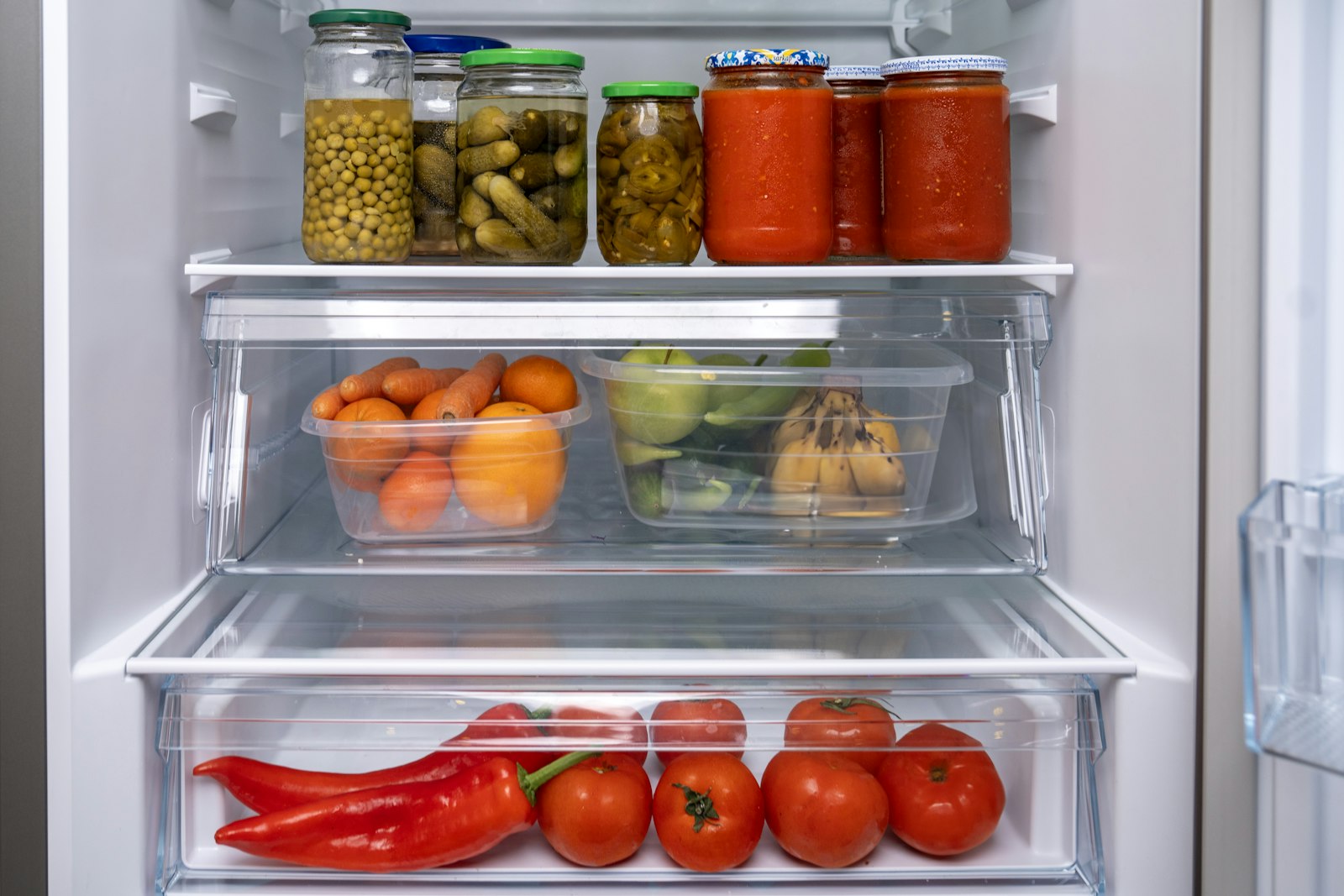
Whether it is labeled "High / Low," shows a little leaf and apple, or has no label at all, the slider does one thing: it opens or closes a small air opening. Close it and moisture stays inside the drawer. Open it and humidity (along with certain gases) can escape. That is really the whole mechanism. It does not make the drawer colder or warmer.
02Closed for leaves, open for fruit
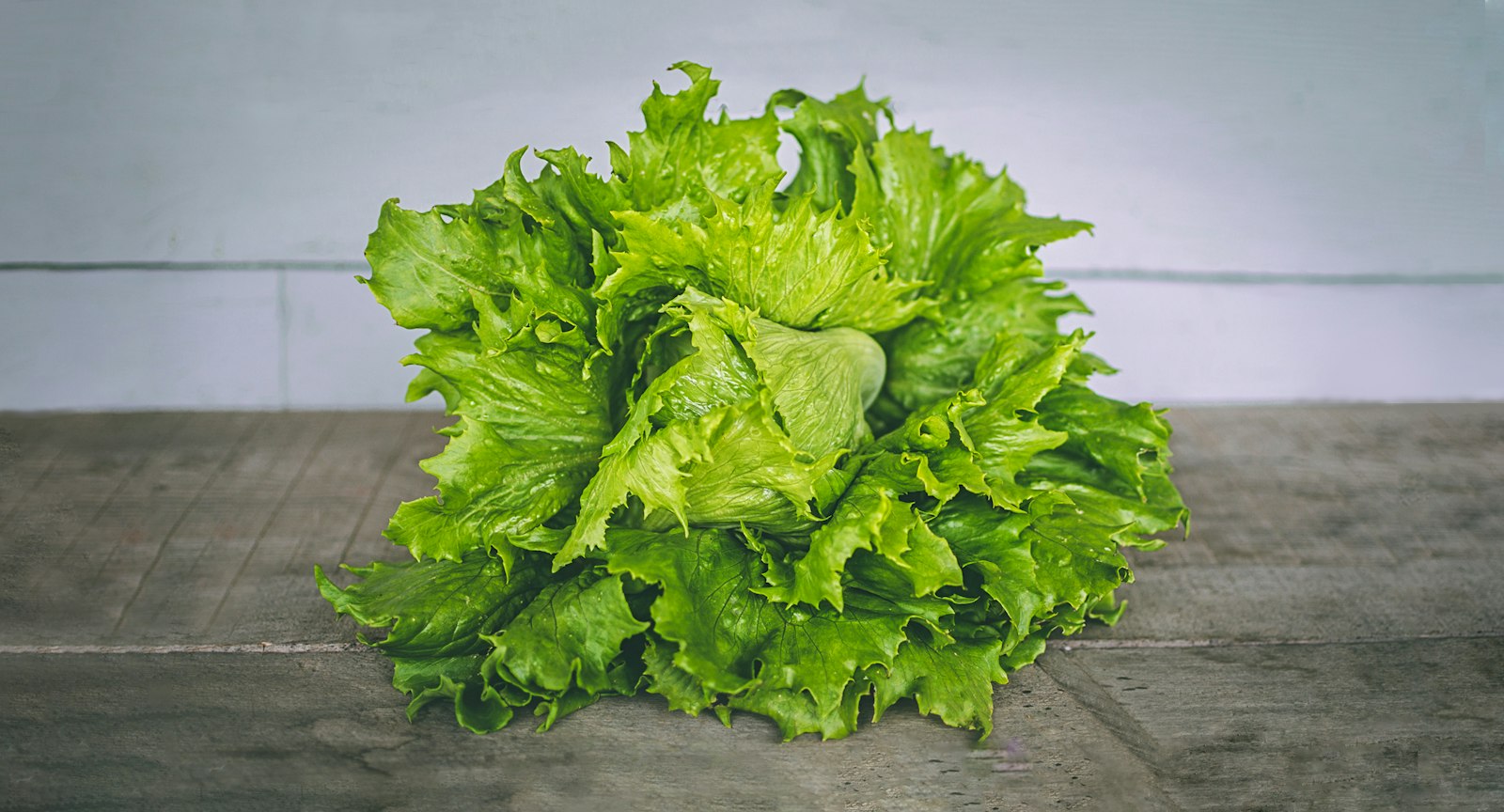
Anything that wilts, like lettuce, spinach, kale, herbs, broccoli and carrots, wants moisture kept in, so it goes in the drawer with the vent closed. Produce that tends to rot rather than wilt, like apples, pears and stone fruit, does better with the vent open so moisture and ripening gas can escape. If you have two drawers, set one each way and you are done. It takes about one second.
Vent closed (high humidity)
Leafy greens, fresh herbs, broccoli, cauliflower, carrots, celery, cucumbers, green beans, peppers
Vent open (low humidity)
Apples, pears, ripe stone fruit, grapes, kiwi, ripe avocados
03Keep fruits and vegetables in separate drawers
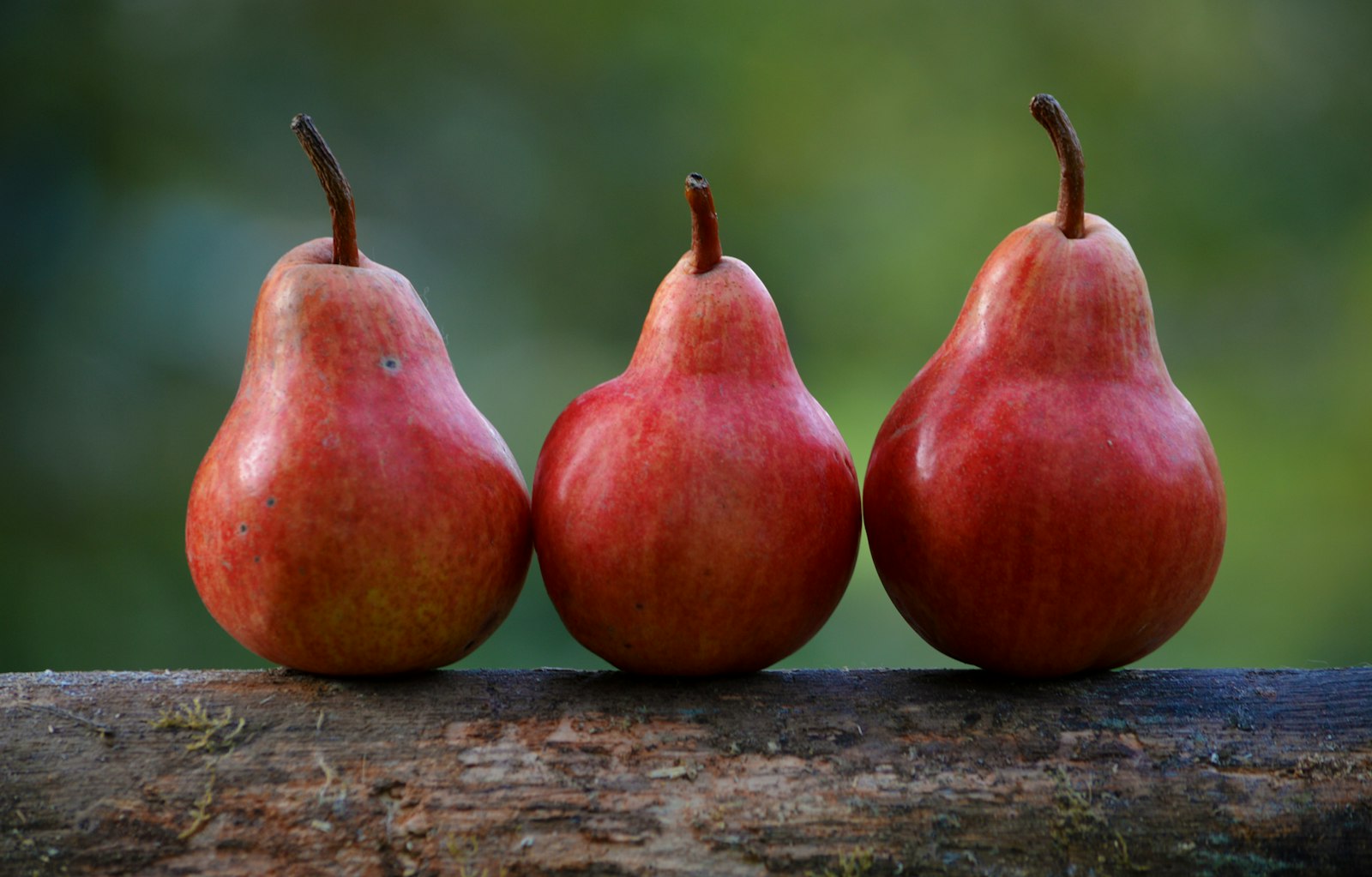
Apples, pears and several other fruits release ethylene, a natural gas that speeds up ripening. That is great when you want an avocado to soften on the counter. It is not great when that same gas is trapped in a drawer with your greens, which will yellow and wilt days earlier than they should. Separate drawers, separate settings, longer life for both.
04A dish towel is the cheapest upgrade you can make
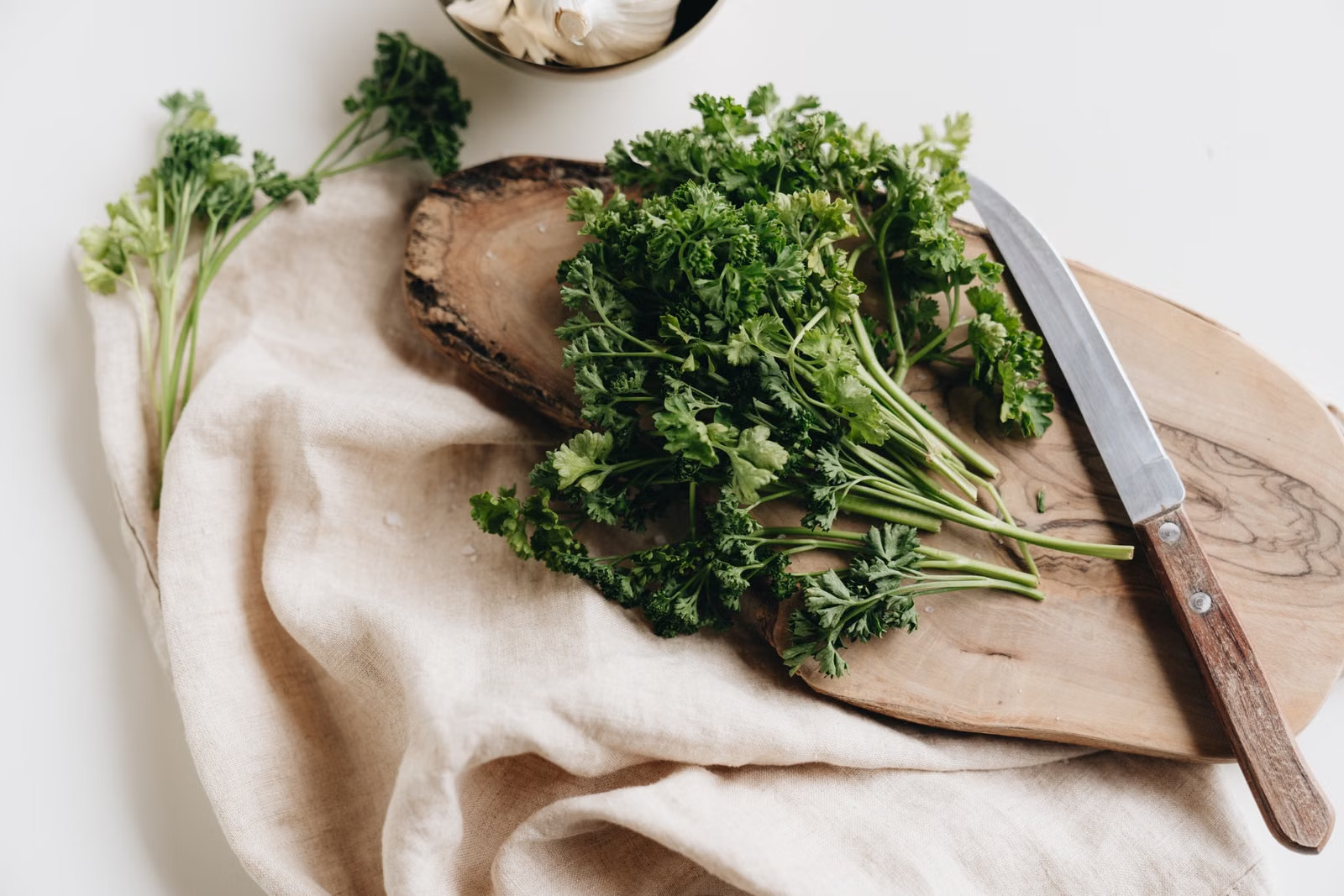
Condensation collects at the bottom of the drawer and drips back onto the food. That standing moisture is what turns a bag of salad into a puddle of slime. Line the drawer with a clean, dry dish towel or a couple of paper towels and swap it out when you clean the fridge. It costs nothing and works remarkably well.
05Wash produce when you eat it, not when you buy it
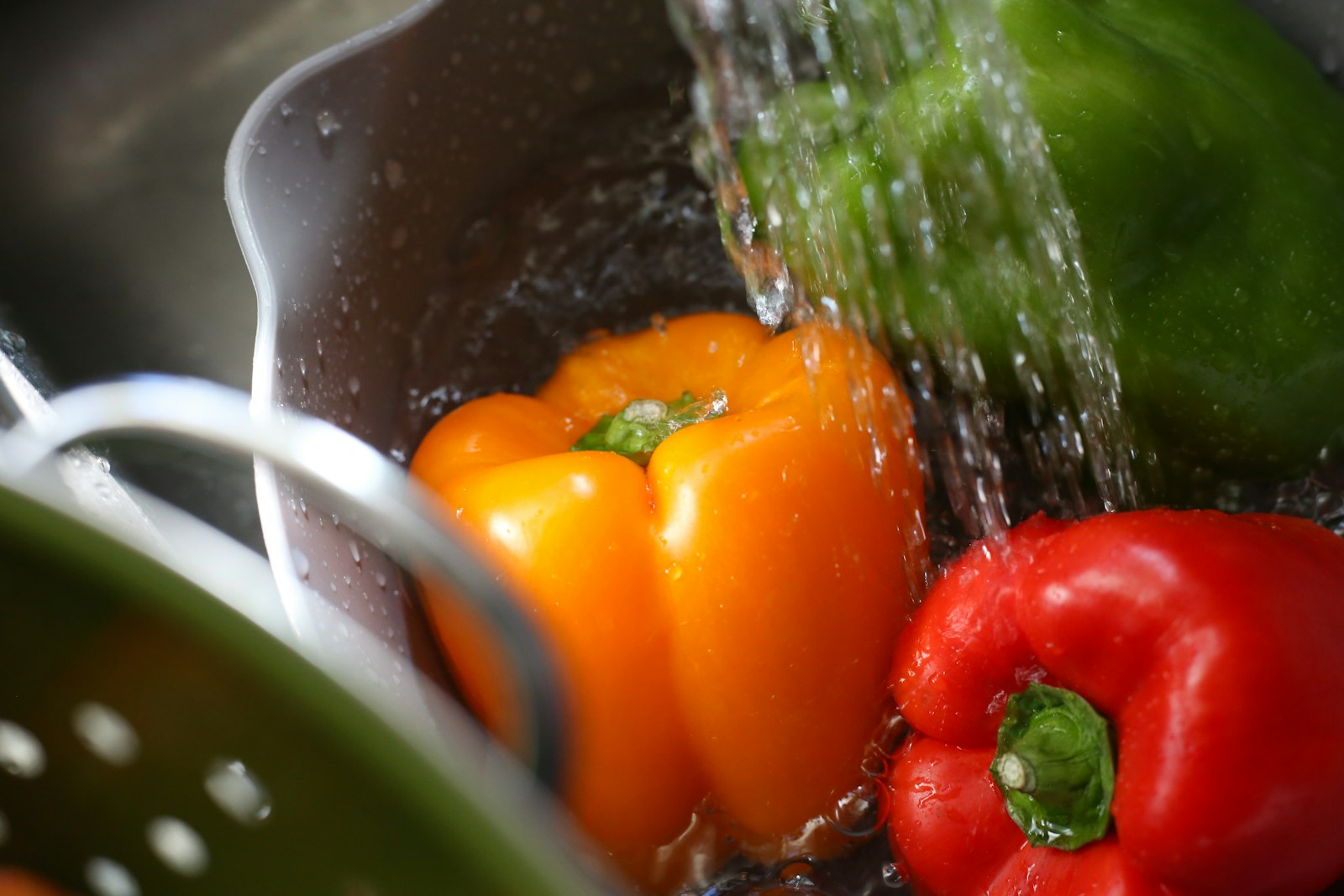
Rinsing everything as soon as you get home feels responsible, but surface water is exactly what kick-starts spoilage. Store produce dry and give it a rinse right before you cook or eat it. This one habit adds days to almost everything fresh you bring home.
06Get produce out of the grocery bag
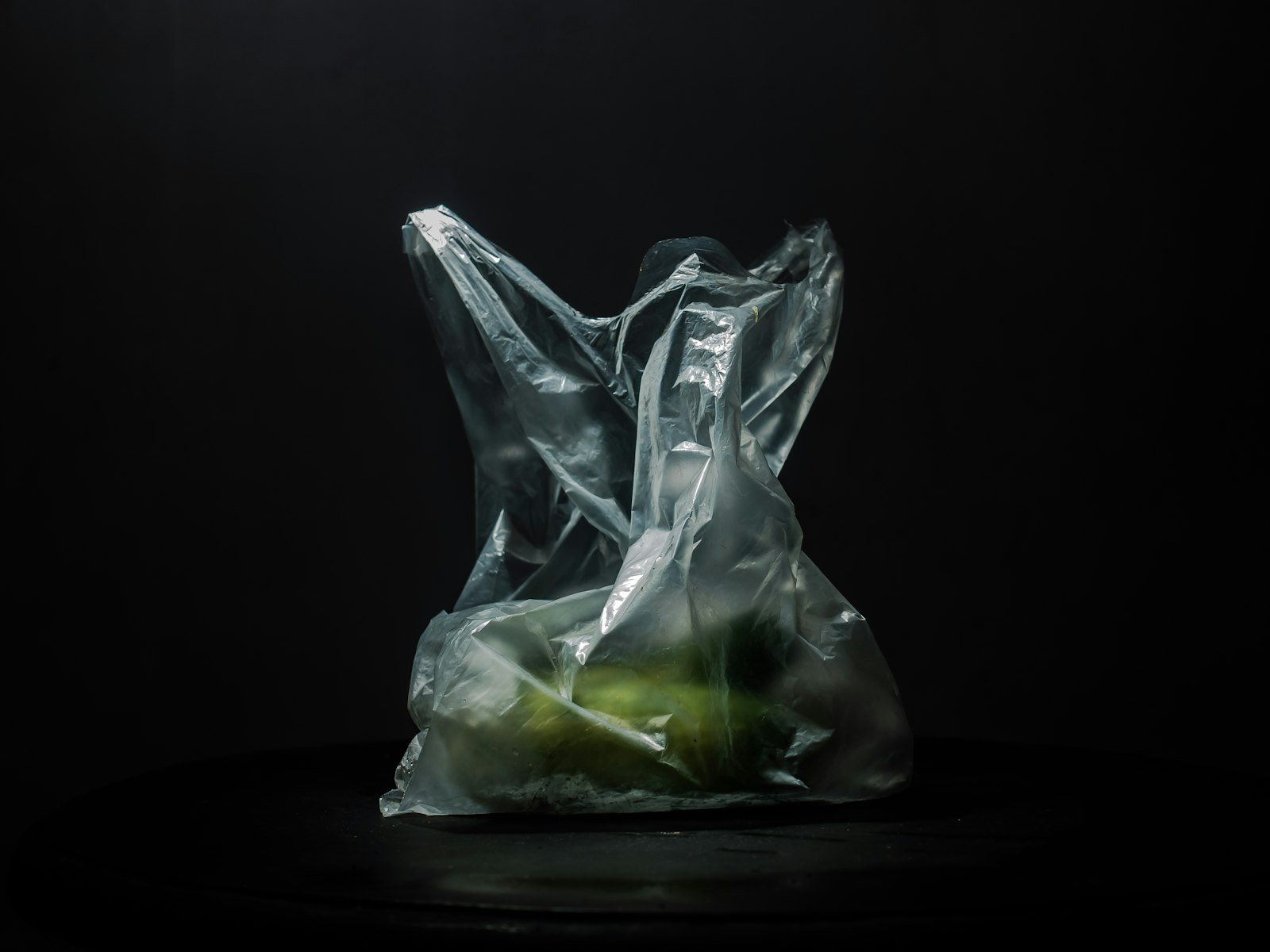
The thin plastic bag from the store was made to get food from the shelf to your car, not to store it for a week. Sealed plastic plus a damp leaf is the fastest route to mush. Take things out, or at least open the bag up so air can move. (Pre-packaged salad kits in their own breathable packaging are the exception; leave those sealed until you open them.)
07It is the coldest spot in the fridge, and some foods hate that
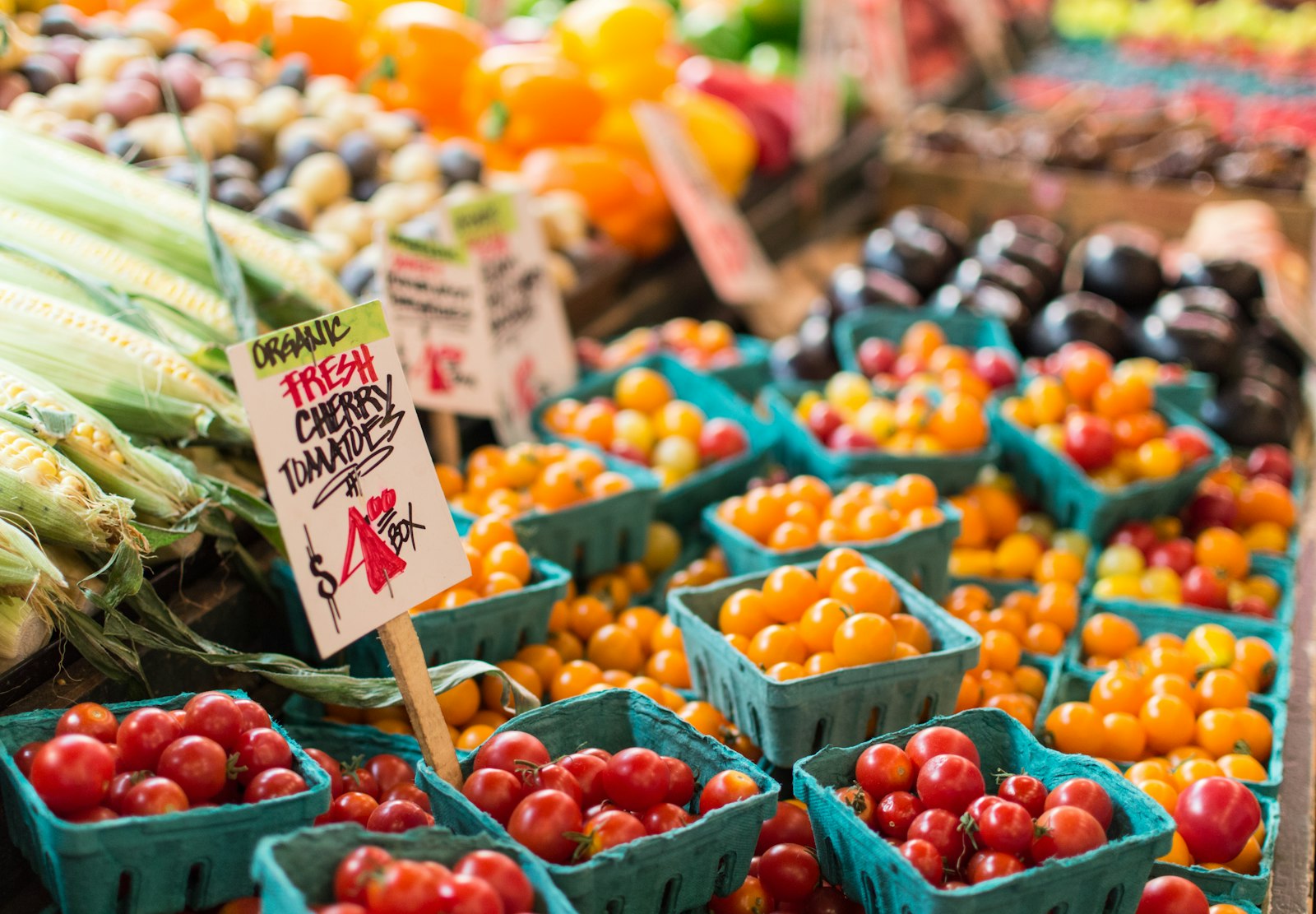
Not everything belongs in the fridge at all. Whole tomatoes lose their flavor and turn mealy in the cold. Potatoes turn their starch into sugar and cook up gritty and oddly sweet. Whole onions get soft and pass their smell to everything nearby. Unripe fruit stalls out and never ripens properly. Keep these in a cool, dark, dry spot like a pantry or basement shelf instead. Once tomatoes are fully ripe or anything has been cut, the fridge is fine.
08Clean it out once a week, right before you shop
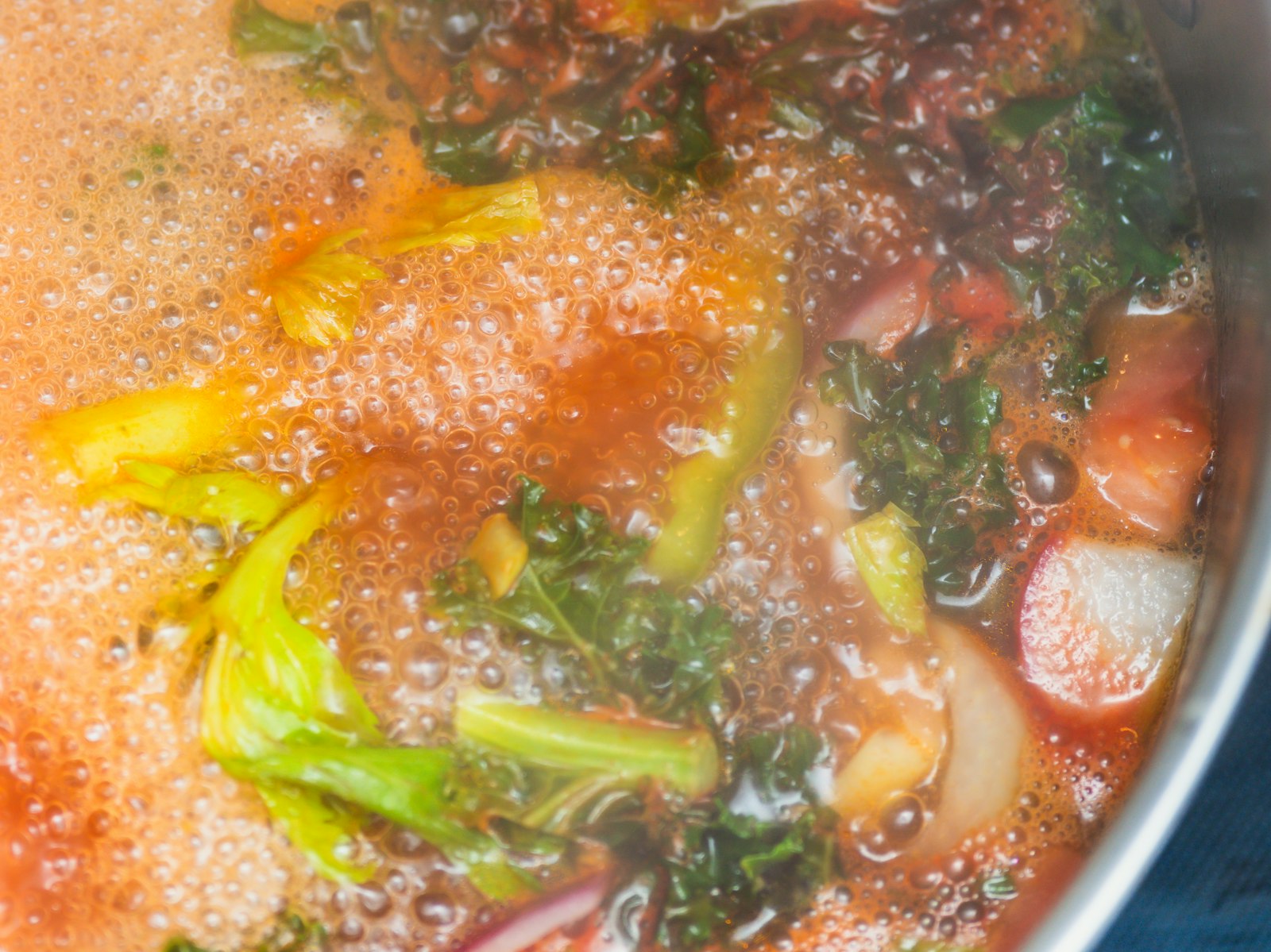
Five minutes with the drawers pulled open before your weekly grocery run might be the most valuable five minutes of your week. You will see what you already have, avoid buying doubles, and catch anything getting soft while it is still usable. Tired carrots, limp celery and that last half bunch of kale belong in tonight's soup pot, not next week's trash.
Small habits make a better home
The best homes are not just about square footage and finishes. They are about the little routines that make everyday life run a bit smoother. At Pederson Realty, we care about the life you live in your home long after closing day, whether you are settling into your first place, making room for a growing family or right-sizing for your next chapter.
Thinking about a move in the Twin Cities, Greater Minnesota or Western Wisconsin? We would love to help you find a kitchen worth stocking.
Talk with a Pederson Realty REALTOR®